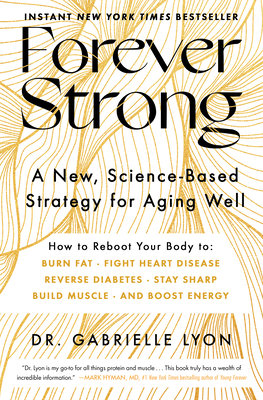
The body is built to move, and things go wrong when it doesn't. Daniel Lieberman, a Harvard evolutionary biologist, spent a career on a deceptively simple question: what is the human body actually for? His answer, drawn from endurance-running and from societies like the Hadza and Tarahumara, is that we never evolved to 'exercise' per se, we evolved to move. With all the benefits of modern living, one problem is that moving became optional. No need to hunt or gather berries when food can be delivered at the push of a button, and no cutting firewood when you have a thermostat for climate control. The clinical evidence backs it up: a 2023 BMJ meta-analysis of over 200 trials found regular exercise at least as effective as medication for depression and anxiety, and often more durable over time. It remains an under-prescribed first-line treatment in modern care. Aerobic capacity is also one of the strongest predictors we have of long-term survival, and physical strength in midlife predicts independence later in life. Physical health begins in motion.
Four physical conditions sit upstream of much else: movement, sleep, food, and breath. Research keeps validating their importance. Sleep is the quiet one of the four, and among the most powerful things a person can do for how they think, feel, and heal. Matthew Walker, the Berkeley sleep researcher, has spent a career measuring what sleep gives back, and also what its absence costs. In Why We Sleep, Walker plots surgical residents' error rates against hours of sleep, and the curve bends sharply upward, less sleep, more errors. The encouraging half is that the curve runs both ways. Sleep lost is sleep that can be rebuilt.
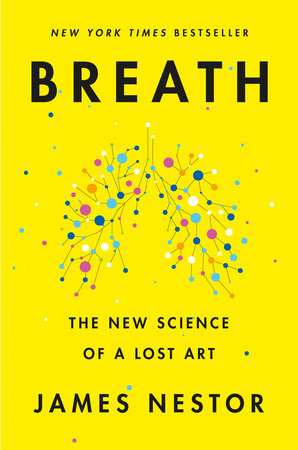
Breath is the easiest of the four to underestimate. The slow work of nervous-system regulation, getting the body out of chronic activation, has clinical research behind it. Stephen Porges's polyvagal framework gave clinicians language for what mind-body practitioners had long observed, a small library of techniques most people can learn in an afternoon. Short bursts of stress are normal. Staying chronically activated is what wears the body down.
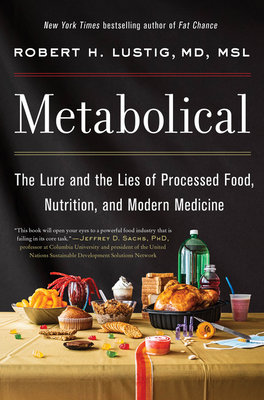
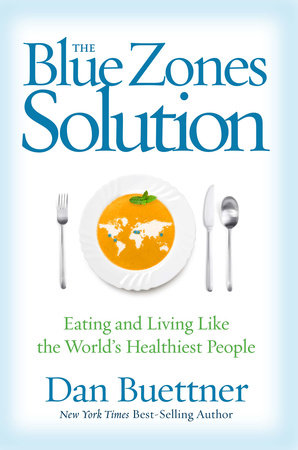
Food sits alongside sleep and movement, and the research is less contested than the cultural conversation suggests. Liquid sugar and ultra-processed foods reliably drive the metabolic, inflammatory, and mood outcomes most people are trying to avoid. Cutting them is a simpler, more durable move than most supplement routines, and a whole-food pattern like the Mediterranean diet has decades of evidence behind it.
Medicine and technology are also shifting how we think about physical wellness. A generation of pharma-adjacent options (GLP-1 receptor agonists for weight and metabolic health, testosterone replacement for men in midlife, modern statins, continuous glucose monitors) is changing what 'taking care of the body' looks like. These deserve careful evaluation; some genuinely useful, others early-stage. We'll cover them as the research matures.
Physical wellness is a cornerstone of well-being, intimately connected with the other six dimensions: the ground beneath everything else, not the point of everything else. Movement, sleep, food, recovery: well-supported by research, modifiable. A late dinner with friends, a child's bedtime stretched out, a project you stayed up to finish, these can be worth the trade. The vitality numbers do not always know what a life is for.