Todd Rose's research at Populace finds most people making life decisions based on a public consensus that no one privately believes. Americans privately want more meaning, less status competition, deeper relationships, and slower lives. They assume their neighbors want the opposite. So they organize their lives around the assumption. Rose calls these collective illusions. People work jobs they would not have chosen, buy things they did not want, and orient lives around a status they do not actually value, all because they think everyone else does.
The illusion does not arise on its own. Tim Kasser's decades of research on materialism find that advertising and consumer messaging reliably shift what people say they want. The shift moves them away from what actually predicts well-being. The cultural environment is not neutral; much of it is shaped by the people paid to shape it. What you take as "what people want" is, in measurable part, what people have been paid to want. A consumer-oriented culture relies on that confusion to keep working.
The pattern extends across both layers we live inside. Richard Louv coined "nature-deficit disorder" in 2005, not as a diagnosis but as a label for the cognitive and emotional cost of indoor lives, especially in children. The research has stacked: time outdoors, real sunlight, contact with non-human life is a baseline condition for human well-being. The physical environment is not separate from the cultural one. Both shape us. Both are wellness variables.
The physical layer breaks down further. Rhythm and seasons are wellness variables in the same family as sleep and circadian health. Modern life flattens them with constant artificial light and indoor schedules. Our bodies were tuned for a year of four kinds of light and four kinds of weather, and most of us no longer get those signals. Biophilic design, the deliberate inclusion of natural light, materials, and life forms in the spaces where most adults spend their time, has clinical and architectural research behind it. Built without it, those spaces pay a measurable cost in mood, attention, and recovery. The environment is also unevenly distributed. The same forces that shape culture shape which neighborhoods bear the toxin load, which workers breathe the worst air, which children grow up next to highways. Environmental justice is a wellness issue at the zip-code scale, not only the planetary one.
The empirical case on the cultural side has accumulated. Jonathan Haidt has documented the smartphone era's collision with adolescent mental health. Robert Putnam mapped the erosion of community across late-twentieth-century America. A growing body of work links social-media patterns to depression, anxiety, body image, and sleep. The narratives surrounding you, about what a life is supposed to look like, what counts as success, who belongs, shape decisions.
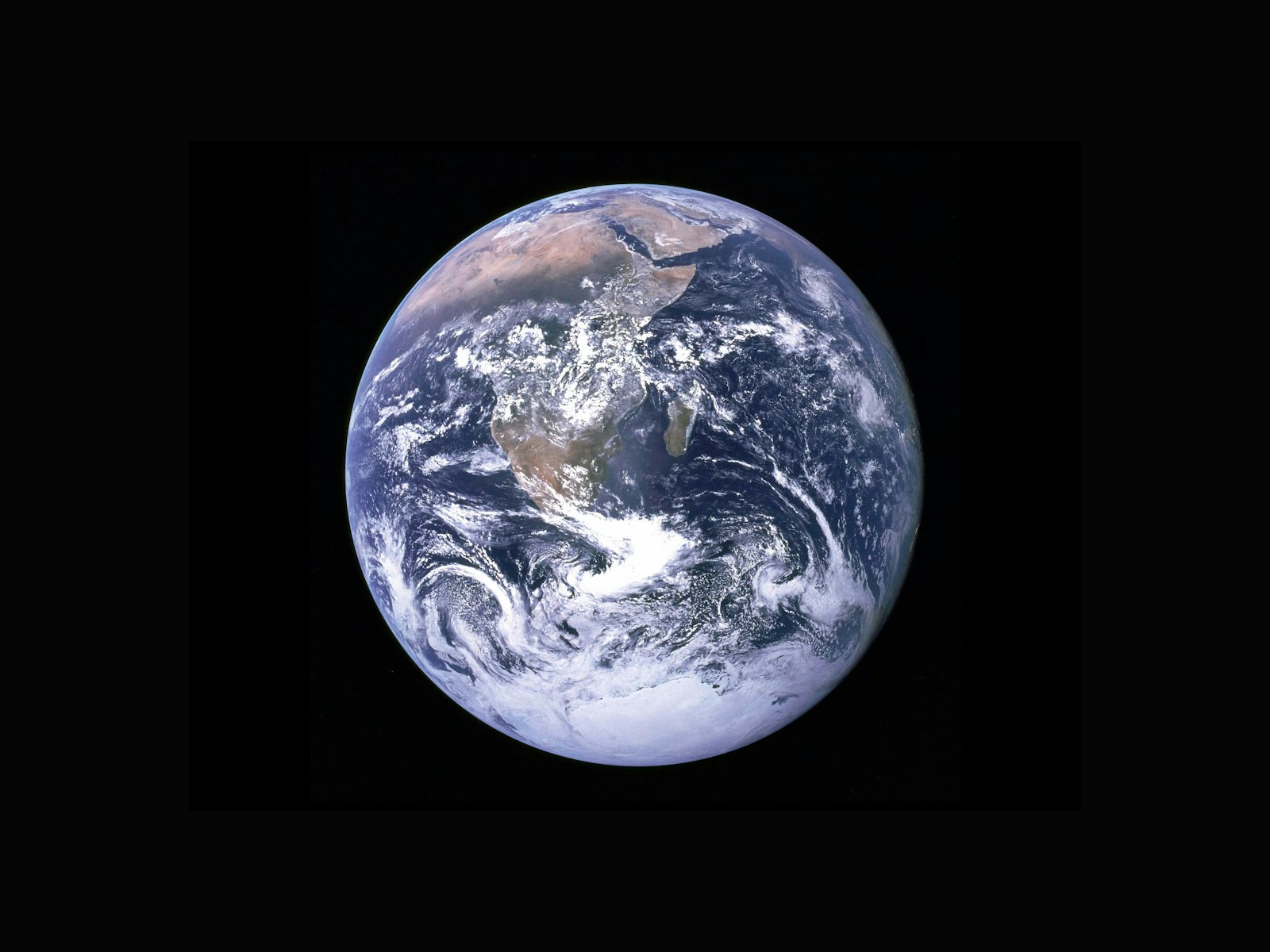
At the planetary scale, the Lancet-Rockefeller Commission on Planetary Health (2015) named what ecologists have long said: human health is inseparable from the health of natural systems. The ecosystem-services literature (Robert Costanza, Gretchen Daily's Natural Capital Project) has been working that dependency into language policy can use. Individual wellness rests on functioning watersheds, pollinators, and climate systems most people never think about. Home air, the materials you live with, the nearby ground you walk on are the inner ring of a larger nested system, the small scale at which one person can reasonably act.
Environmental wellness operates at three scales: the cultural narratives we live inside, the physical rooms we wake up in, and the planet we share. The practices below scale accordingly. Some change in a weekend, some take years, some require collective action that one reader can join but not finish.